Buy teacupfamily.eu ?
We are moving the project
teacupfamily.eu .
Are you interested in purchasing the domain
teacupfamily.eu ?
domain@kv-gmbh.de · 0541-91531010
Buy teacupfamily.eu ?
How deep can an aquarium be?
The depth of an aquarium can vary depending on the type of fish and aquatic life it will house. In general, most aquariums are designed to be around 18-24 inches deep. However, some larger aquariums can be deeper, reaching up to 30 inches or more. It's important to consider the specific needs of the fish and other aquatic life when determining the appropriate depth for an aquarium. **
How deep should the aquarium heater be submerged in the aquarium?
The aquarium heater should be fully submerged in the water to ensure proper and even distribution of heat throughout the tank. It is important to follow the manufacturer's instructions regarding the minimum water level required for the heater to function effectively. Typically, the water level should be at least at the same level as the minimum water line indicated on the heater. Placing the heater deeper than necessary can cause overheating, while having it too shallow may lead to inaccurate temperature readings. **

Similar search terms for Graham-Brown-Aquarium-Deep
Top-Angebote
Products related to Graham-Brown-Aquarium-Deep:
-
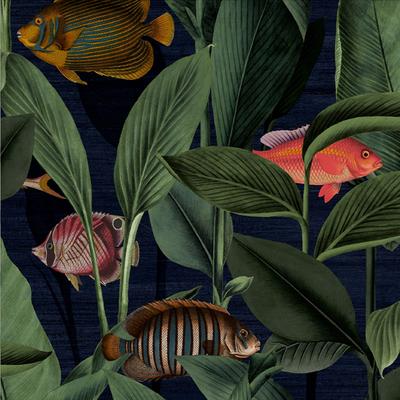
Graham & Brown Aquarium - GreenDrawing inspiration from the mix of rich green leaves featured in this design, Aquarium green mixes the trendy greens that have taken over interior spaces with something a little different as these tropical fish will catch anyone's eye as the swim...190,00 $*Shipping: 0,00 $Secure redirect to the provider
-
Graham & Brown Orbit Deep Silver WallpaperCreate a calming atmosphere by using Orbit Deep Silver wallpaper. Created with a luxurious silver and gray palette, this beautiful heavyweight wallpaper is ideal for using on all four walls to create a sumptuous haven.170,00 $*Shipping: 0,00 $Secure redirect to the provider
-
Graham & Brown Country Home - BreatheThis mid tone blue is perfect for creating a soft and calming atmosphere. With a grey hue this subtle blue will work perfectly alone bringing a little added texture into your space or just as well with our Breath paint.150,00 $*Shipping: 0,00 $Secure redirect to the provider




-
Why is the aquarium water brown?
The aquarium water may be brown due to the presence of tannins, which are natural organic compounds found in wood, leaves, and other plant materials. When these materials are submerged in water, they release tannins, giving the water a brownish tint. This is common in aquariums with driftwood or live plants. While the brown water may not be visually appealing to some, it is generally harmless to fish and other aquatic life. Regular water changes and the use of activated carbon can help reduce the brown tint in the aquarium water. **
-
Why do aquarium plants turn brown?
Aquarium plants can turn brown due to a variety of reasons, including inadequate lighting, poor water quality, lack of nutrients, or algae growth. Insufficient lighting can hinder the plant's ability to photosynthesize effectively, leading to browning. Poor water quality can also stress the plants, causing them to deteriorate and turn brown. Additionally, a lack of essential nutrients such as iron or potassium can result in plant discoloration. Lastly, algae competing for nutrients can outcompete the plants, causing them to turn brown. Regular maintenance, proper lighting, and nutrient supplementation can help prevent aquarium plants from turning brown. **
-
Do aquarium plants get brown hair?
Yes, aquarium plants can develop brown hair algae, also known as diatoms. This type of algae can grow on the leaves of aquarium plants, causing them to appear brown or dirty. Brown hair algae is common in new aquarium setups or in tanks with high levels of silicates or low lighting. Regular maintenance, such as cleaning the plants and adjusting water parameters, can help prevent the growth of brown hair algae. **
-
Why do aquarium plants turn brown/gray?
Aquarium plants can turn brown or gray due to a variety of reasons, including inadequate lighting, poor water quality, lack of nutrients, or algae growth. Insufficient lighting can cause plants to lose their green color and appear brown or gray. Poor water quality, such as high levels of ammonia or nitrites, can also stress plants and cause them to discolor. Additionally, a lack of essential nutrients, such as iron or potassium, can lead to plant deterioration. Finally, algae growth on the plants can also cause them to appear brown or gray. Regular maintenance, proper lighting, and nutrient supplementation can help prevent discoloration in aquarium plants. **


What does a deep, long aquarium tank look like?
A deep, long aquarium tank typically has a rectangular shape with a greater length and width compared to its height. This type of tank allows for more swimming space for aquatic animals to move around freely. The depth of the tank provides a sense of depth perception and allows for the creation of different aquatic environments within the tank, such as planting areas or rock formations. Overall, a deep, long aquarium tank provides a visually appealing and spacious habitat for a variety of aquatic species. **
What are orange-brown algae in the aquarium?
Orange-brown algae, also known as diatoms, are a type of algae commonly found in aquariums. They are single-celled organisms that can form brownish or orange-colored coatings on aquarium surfaces, including glass, rocks, and decorations. Diatoms thrive in environments with high levels of silicates and low light, and they are often seen in newly established aquariums or those with fluctuating nutrient levels. While they are not harmful to fish or other aquarium inhabitants, their presence can be unsightly and indicate an imbalance in the aquarium's ecosystem. Regular maintenance, including water changes and proper nutrient management, can help control and prevent the growth of orange-brown algae in the aquarium. **
Top-Angebote
Products related to Graham-Brown-Aquarium-Deep:
-
Graham & Brown Aquarium Deep Sea WallpaperOur Aquarium Deep Sea wallpaper hosts a group of tropical fish exploring a luscious green setting. Swimming amongst large leaves, contrasting yet striking fish sit amongst a deep navy backdrop. This combination of hues is perfect for a quirky décor.190,00 $*Shipping: 0,00 $Secure redirect to the provider
-
Graham & Brown Aquarium - GreenDrawing inspiration from the mix of rich green leaves featured in this design, Aquarium green mixes the trendy greens that have taken over interior spaces with something a little different as these tropical fish will catch anyone's eye as the swim...190,00 $*Shipping: 0,00 $Secure redirect to the provider
-
Graham & Brown Orbit Deep Silver WallpaperCreate a calming atmosphere by using Orbit Deep Silver wallpaper. Created with a luxurious silver and gray palette, this beautiful heavyweight wallpaper is ideal for using on all four walls to create a sumptuous haven.170,00 $*Shipping: 0,00 $Secure redirect to the provider
-
How deep can an aquarium be?
The depth of an aquarium can vary depending on the type of fish and aquatic life it will house. In general, most aquariums are designed to be around 18-24 inches deep. However, some larger aquariums can be deeper, reaching up to 30 inches or more. It's important to consider the specific needs of the fish and other aquatic life when determining the appropriate depth for an aquarium. **
-
How deep should the aquarium heater be submerged in the aquarium?
The aquarium heater should be fully submerged in the water to ensure proper and even distribution of heat throughout the tank. It is important to follow the manufacturer's instructions regarding the minimum water level required for the heater to function effectively. Typically, the water level should be at least at the same level as the minimum water line indicated on the heater. Placing the heater deeper than necessary can cause overheating, while having it too shallow may lead to inaccurate temperature readings. **
-
Why is the aquarium water brown?
The aquarium water may be brown due to the presence of tannins, which are natural organic compounds found in wood, leaves, and other plant materials. When these materials are submerged in water, they release tannins, giving the water a brownish tint. This is common in aquariums with driftwood or live plants. While the brown water may not be visually appealing to some, it is generally harmless to fish and other aquatic life. Regular water changes and the use of activated carbon can help reduce the brown tint in the aquarium water. **
-
Why do aquarium plants turn brown?
Aquarium plants can turn brown due to a variety of reasons, including inadequate lighting, poor water quality, lack of nutrients, or algae growth. Insufficient lighting can hinder the plant's ability to photosynthesize effectively, leading to browning. Poor water quality can also stress the plants, causing them to deteriorate and turn brown. Additionally, a lack of essential nutrients such as iron or potassium can result in plant discoloration. Lastly, algae competing for nutrients can outcompete the plants, causing them to turn brown. Regular maintenance, proper lighting, and nutrient supplementation can help prevent aquarium plants from turning brown. **
Similar search terms for Graham-Brown-Aquarium-Deep
-
Graham & Brown Country Home - BreatheThis mid tone blue is perfect for creating a soft and calming atmosphere. With a grey hue this subtle blue will work perfectly alone bringing a little added texture into your space or just as well with our Breath paint.150,00 $*Shipping: 0,00 $Secure redirect to the provider
-
Graham & Brown Country Home - CalmaCreate at Tranquille atmosphere with our County home Calma. This light green hue works great alone or just as well alongside something like our Flower Press Calma to really extenuate those earthy green tones.150,00 $*Shipping: 0,00 $Secure redirect to the provider
-
Do aquarium plants get brown hair?
Yes, aquarium plants can develop brown hair algae, also known as diatoms. This type of algae can grow on the leaves of aquarium plants, causing them to appear brown or dirty. Brown hair algae is common in new aquarium setups or in tanks with high levels of silicates or low lighting. Regular maintenance, such as cleaning the plants and adjusting water parameters, can help prevent the growth of brown hair algae. **
-
Why do aquarium plants turn brown/gray?
Aquarium plants can turn brown or gray due to a variety of reasons, including inadequate lighting, poor water quality, lack of nutrients, or algae growth. Insufficient lighting can cause plants to lose their green color and appear brown or gray. Poor water quality, such as high levels of ammonia or nitrites, can also stress plants and cause them to discolor. Additionally, a lack of essential nutrients, such as iron or potassium, can lead to plant deterioration. Finally, algae growth on the plants can also cause them to appear brown or gray. Regular maintenance, proper lighting, and nutrient supplementation can help prevent discoloration in aquarium plants. **
-
What does a deep, long aquarium tank look like?
A deep, long aquarium tank typically has a rectangular shape with a greater length and width compared to its height. This type of tank allows for more swimming space for aquatic animals to move around freely. The depth of the tank provides a sense of depth perception and allows for the creation of different aquatic environments within the tank, such as planting areas or rock formations. Overall, a deep, long aquarium tank provides a visually appealing and spacious habitat for a variety of aquatic species. **
-
What are orange-brown algae in the aquarium?
Orange-brown algae, also known as diatoms, are a type of algae commonly found in aquariums. They are single-celled organisms that can form brownish or orange-colored coatings on aquarium surfaces, including glass, rocks, and decorations. Diatoms thrive in environments with high levels of silicates and low light, and they are often seen in newly established aquariums or those with fluctuating nutrient levels. While they are not harmful to fish or other aquarium inhabitants, their presence can be unsightly and indicate an imbalance in the aquarium's ecosystem. Regular maintenance, including water changes and proper nutrient management, can help control and prevent the growth of orange-brown algae in the aquarium. **
* All prices are inclusive of VAT and, if applicable, plus shipping costs. The offer information is based on the details provided by the respective shop and is updated through automated processes. Real-time updates do not occur, so deviations can occur in individual cases. ** Note: Parts of this content were created by AI.