Buy teacupfamily.eu ?
We are moving the project
teacupfamily.eu .
Are you interested in purchasing the domain
teacupfamily.eu ?
domain@kv-gmbh.de · 0541-91531010
Buy teacupfamily.eu ?
What is the additive inverse element of 0 and the multiplicative inverse element of 1?
The additive inverse element of 0 is also 0, because adding 0 to 0 gives 0. The multiplicative inverse element of 1 is also 1, because multiplying 1 by 1 gives 1. In both cases, the inverse element is the same as the original element. **
What is an element family?
An element family is a group of elements that share similar chemical and physical properties due to their similar electron configurations. These elements are arranged in the same vertical column on the periodic table, and they often have similar reactivity and bonding characteristics. For example, the alkali metals (such as lithium, sodium, and potassium) are a family of elements that all have one electron in their outermost energy level, leading to similar properties such as high reactivity with water. Understanding element families can help predict the behavior of elements and their compounds. **


Similar search terms for Daltile-Artefino-Element-1
Top-Angebote
Products related to Daltile-Artefino-Element-1:
-
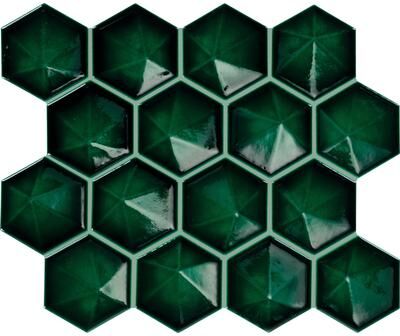
"Daltile Artefino Jewel 3"" Pyramid Hexagon Mosaic (10 PC Per Carton) (8.60 SQFT Per Carton)"Artefino Jewel emerges as a series with a sophisticated charm within our Artefino collection. A palette of deep jewel tones and sultry mosaics, this series reshapes your interiors into vibrant canvases of artistic expression.228,85 $*Shipping: 0,00 $Secure redirect to the provider
-
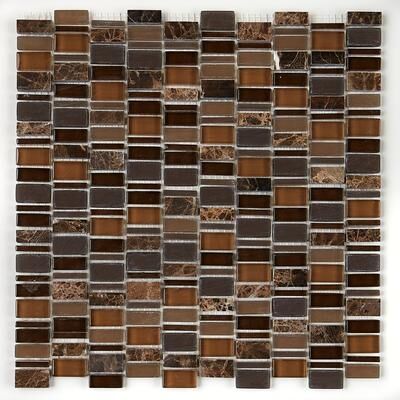
Daltile Clio Mosaics 1 X Random Mosaic Glass and Stone Tile in Eos - 12x12Behold the perfect pairing of sophistication and daring design. Clio mosaics from Daltile is a fresh blend of stone and glass in a versatile mosaic. The rich look of polished stone is randomly mixed with glass in glossy and frosted finishes.401,86 $*Shipping: 0,00 $Secure redirect to the provider
-
"Daltile Adventuro 2"" x 94"" Slim Trim 4-in-1 Transition (Sold By the Piece)"Experience a premier luxury vinyl floor with the captivating wood tones available in Adventuro. Unmatched in design and technology, this ultra-durable, rigid core plank leads to a superior floor that clicks together with ease and speed.60,00 $*Shipping: 0,00 $Secure redirect to the provider


-
To which element family do the alkali metals belong?
The alkali metals belong to the element family known as Group 1 on the periodic table. This group includes lithium, sodium, potassium, rubidium, cesium, and francium. These elements are highly reactive and are known for their ability to form strong alkaline solutions when they react with water. They are also characterized by having one electron in their outermost energy level, which makes them highly reactive. **
-
Is an element-element bond, as the name suggests, a bond between the same element?
No, an element-element bond is not a bond between the same element. It is a bond between two different atoms of the same element. For example, in a molecule of oxygen (O2), the two oxygen atoms are bonded together through an element-element bond. Similarly, in a molecule of nitrogen (N2), the two nitrogen atoms are bonded together through an element-element bond. **
-
Why can't one element be transformed into another element?
One element cannot be transformed into another element because each element is made up of a unique combination of protons, neutrons, and electrons. These fundamental particles determine the identity and properties of the element. In order to transform one element into another, the number of protons in the nucleus would need to change, which is not possible through ordinary chemical reactions. This type of transformation can only occur through nuclear reactions, such as fusion or fission, which involve extreme conditions and release large amounts of energy. **
-
Which focus element?
The focus element in a piece of writing is the main point or central idea that the author wants to convey to the reader. It is the key message that the author wants the reader to take away from the text. By clearly identifying the focus element, the author can ensure that their writing is coherent, organized, and effectively communicates their intended message. **


Is x element m the same as x element m?
Yes, x element m is the same as x element m. In set theory, an element is uniquely defined by its properties, so if x is the same element as m, then they are identical. This is a fundamental property of set theory and is a basic principle of mathematics. Therefore, x element m is indeed the same as x element m. **
Why are the elements of an element family so similar?
The elements of an element family are similar because they have the same number of valence electrons, which determines their chemical properties. These valence electrons are responsible for how an element interacts with other elements to form compounds. As a result, elements within the same family tend to have similar reactivity, bonding patterns, and physical properties. This similarity is due to the elements sharing a common electron configuration, leading to comparable chemical behavior. **
Top-Angebote
Products related to Daltile-Artefino-Element-1:
-
Daltile Artefino Vintage 1 x 6 Pencil Mosaic (10 PC Per SQFT) (9.60 SQFT Per Carton)Artefino Vintage, a stunning series within our Artefino collection offers a diverse palette of deep tones in a variety of unique mosaics. Drawing inspiration from current tile trends, this collection transforms spaces into vibrant artistic experiences.232,70 $*Shipping: 0,00 $Secure redirect to the provider
-
"Daltile Artefino Jewel 3"" Pyramid Hexagon Mosaic (10 PC Per Carton) (8.60 SQFT Per Carton)"Artefino Jewel emerges as a series with a sophisticated charm within our Artefino collection. A palette of deep jewel tones and sultry mosaics, this series reshapes your interiors into vibrant canvases of artistic expression.228,85 $*Shipping: 0,00 $Secure redirect to the provider
-
Daltile Clio Mosaics 1 X Random Mosaic Glass and Stone Tile in Eos - 12x12Behold the perfect pairing of sophistication and daring design. Clio mosaics from Daltile is a fresh blend of stone and glass in a versatile mosaic. The rich look of polished stone is randomly mixed with glass in glossy and frosted finishes.401,86 $*Shipping: 0,00 $Secure redirect to the provider
-
What is the additive inverse element of 0 and the multiplicative inverse element of 1?
The additive inverse element of 0 is also 0, because adding 0 to 0 gives 0. The multiplicative inverse element of 1 is also 1, because multiplying 1 by 1 gives 1. In both cases, the inverse element is the same as the original element. **
-
What is an element family?
An element family is a group of elements that share similar chemical and physical properties due to their similar electron configurations. These elements are arranged in the same vertical column on the periodic table, and they often have similar reactivity and bonding characteristics. For example, the alkali metals (such as lithium, sodium, and potassium) are a family of elements that all have one electron in their outermost energy level, leading to similar properties such as high reactivity with water. Understanding element families can help predict the behavior of elements and their compounds. **
-
To which element family do the alkali metals belong?
The alkali metals belong to the element family known as Group 1 on the periodic table. This group includes lithium, sodium, potassium, rubidium, cesium, and francium. These elements are highly reactive and are known for their ability to form strong alkaline solutions when they react with water. They are also characterized by having one electron in their outermost energy level, which makes them highly reactive. **
-
Is an element-element bond, as the name suggests, a bond between the same element?
No, an element-element bond is not a bond between the same element. It is a bond between two different atoms of the same element. For example, in a molecule of oxygen (O2), the two oxygen atoms are bonded together through an element-element bond. Similarly, in a molecule of nitrogen (N2), the two nitrogen atoms are bonded together through an element-element bond. **
Similar search terms for Daltile-Artefino-Element-1
-
"Daltile Adventuro 2"" x 94"" Slim Trim 4-in-1 Transition (Sold By the Piece)"Experience a premier luxury vinyl floor with the captivating wood tones available in Adventuro. Unmatched in design and technology, this ultra-durable, rigid core plank leads to a superior floor that clicks together with ease and speed.60,00 $*Shipping: 0,00 $Secure redirect to the provider
-
Why can't one element be transformed into another element?
One element cannot be transformed into another element because each element is made up of a unique combination of protons, neutrons, and electrons. These fundamental particles determine the identity and properties of the element. In order to transform one element into another, the number of protons in the nucleus would need to change, which is not possible through ordinary chemical reactions. This type of transformation can only occur through nuclear reactions, such as fusion or fission, which involve extreme conditions and release large amounts of energy. **
-
Which focus element?
The focus element in a piece of writing is the main point or central idea that the author wants to convey to the reader. It is the key message that the author wants the reader to take away from the text. By clearly identifying the focus element, the author can ensure that their writing is coherent, organized, and effectively communicates their intended message. **
-
Is x element m the same as x element m?
Yes, x element m is the same as x element m. In set theory, an element is uniquely defined by its properties, so if x is the same element as m, then they are identical. This is a fundamental property of set theory and is a basic principle of mathematics. Therefore, x element m is indeed the same as x element m. **
-
Why are the elements of an element family so similar?
The elements of an element family are similar because they have the same number of valence electrons, which determines their chemical properties. These valence electrons are responsible for how an element interacts with other elements to form compounds. As a result, elements within the same family tend to have similar reactivity, bonding patterns, and physical properties. This similarity is due to the elements sharing a common electron configuration, leading to comparable chemical behavior. **
* All prices are inclusive of VAT and, if applicable, plus shipping costs. The offer information is based on the details provided by the respective shop and is updated through automated processes. Real-time updates do not occur, so deviations can occur in individual cases. ** Note: Parts of this content were created by AI.