Buy teacupfamily.eu ?
We are moving the project
teacupfamily.eu .
Are you interested in purchasing the domain
teacupfamily.eu ?
domain@kv-gmbh.de · 0541-91531010
Buy teacupfamily.eu ?
What is the Family War 2?
The Family War 2 is a popular mobile game that falls under the strategy and role-playing game genres. It is the sequel to the original Family War game and features improved graphics, gameplay mechanics, and a more immersive storyline. In the game, players can build and manage their own mafia empire, recruit and train gang members, engage in battles with rival gangs, and expand their territory. The game also includes various missions, challenges, and events to keep players engaged and entertained. **
Was the Korean War a proxy war or a civil war?
The Korean War was a proxy war, as it was fought between the communist-backed North Korea and the capitalist-backed South Korea, with support and involvement from other major powers such as the United States, China, and the Soviet Union. The conflict was not solely an internal struggle within Korea, but rather a larger geopolitical struggle between the two opposing ideologies of communism and capitalism. The involvement of outside powers and the global implications of the war make it more accurately described as a proxy war rather than a civil war. **
Similar search terms for War
Top-Angebote
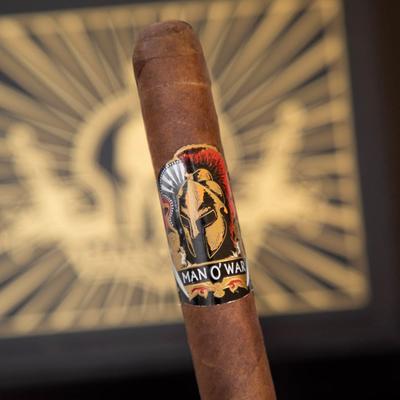
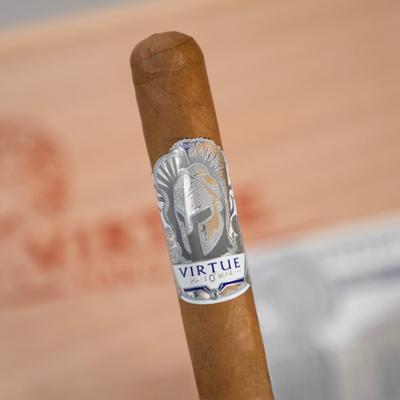
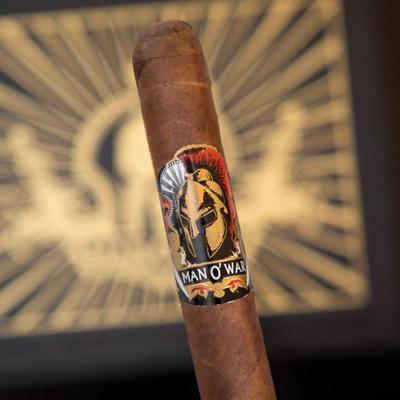
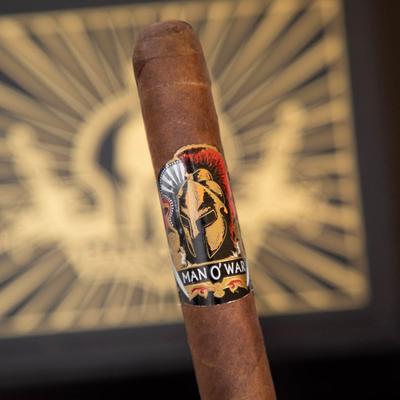
Products related to War:

-
What do the terms "war front" and "home front" mean in relation to the Second World War?
During the Second World War, the term "war front" referred to the physical locations where military engagements and battles were taking place, such as the battlefields in Europe, Asia, and Africa. On the other hand, the term "home front" referred to the civilian population and activities that were happening within their own countries to support the war effort, such as rationing, working in factories to produce war materials, and participating in civil defense measures. The distinction between the war front and home front highlighted the different roles and experiences of soldiers and civilians during the war. **
-
What does the term "war front" and "home front" mean in relation to the Second World War?
During the Second World War, the term "war front" referred to the physical locations where military engagements were taking place, such as battlefields, occupied territories, or areas under attack. On the other hand, the term "home front" referred to the civilian population and activities within a country that were directly or indirectly supporting the war effort, such as manufacturing weapons, rationing resources, and providing medical care for wounded soldiers. The distinction between the war front and home front highlights the dual nature of warfare during World War II, where both military and civilian efforts were crucial for achieving victory. **
-
Is the First World War a modern war?
Yes, the First World War is considered a modern war due to the use of advanced technology and tactics that were unprecedented at the time. The war saw the introduction of new weapons such as tanks, airplanes, and chemical warfare, which changed the nature of warfare. Additionally, the scale of the conflict involving multiple countries and resulting in millions of casualties marked a departure from previous wars in terms of its global impact and devastation. Overall, the First World War is seen as a turning point in military history towards modern warfare. **
-
What is the motto of Wallenstein: "War feeds war" in the Thirty Years' War?
The motto "War feeds war" reflects the strategy of Wallenstein, a prominent military leader in the Thirty Years' War. It suggests that the continuation of war is necessary for its sustenance, as it provides resources, power, and opportunities for those involved in the conflict. This motto encapsulates the idea that war perpetuates itself, creating a cycle of violence and destruction. Wallenstein's approach to warfare was characterized by aggressive tactics and a focus on maintaining and expanding his military influence, making this motto a fitting representation of his approach to the conflict. **
How did the Second World War turn from a European war into a world war?
The Second World War turned from a European war into a world war primarily due to the expansionist policies of Nazi Germany and Japan. Germany's invasion of Poland in 1939 prompted Britain and France to declare war, drawing in their colonies and allies from around the world. Japan's aggressive actions in Asia, such as the invasion of China and the attack on Pearl Harbor in 1941, further escalated the conflict by involving countries in the Pacific and Southeast Asia. The alliances formed between the Axis powers and the Allied powers also contributed to the global nature of the war, as countries from different regions joined the fight on either side. **
Which other home decor stores come to mind?
Some other home decor stores that come to mind include West Elm, Crate & Barrel, Pottery Barn, Anthropologie, and Wayfair. These stores offer a wide range of furniture, decor, and accessories to help customers create stylish and personalized living spaces. Each store has its own unique aesthetic and product offerings, catering to different tastes and preferences in home decor. **
Top-Angebote
Products related to War:
-
What is the Family War 2?
The Family War 2 is a popular mobile game that falls under the strategy and role-playing game genres. It is the sequel to the original Family War game and features improved graphics, gameplay mechanics, and a more immersive storyline. In the game, players can build and manage their own mafia empire, recruit and train gang members, engage in battles with rival gangs, and expand their territory. The game also includes various missions, challenges, and events to keep players engaged and entertained. **
-
Was the Korean War a proxy war or a civil war?
The Korean War was a proxy war, as it was fought between the communist-backed North Korea and the capitalist-backed South Korea, with support and involvement from other major powers such as the United States, China, and the Soviet Union. The conflict was not solely an internal struggle within Korea, but rather a larger geopolitical struggle between the two opposing ideologies of communism and capitalism. The involvement of outside powers and the global implications of the war make it more accurately described as a proxy war rather than a civil war. **
-
What do the terms "war front" and "home front" mean in relation to the Second World War?
During the Second World War, the term "war front" referred to the physical locations where military engagements and battles were taking place, such as the battlefields in Europe, Asia, and Africa. On the other hand, the term "home front" referred to the civilian population and activities that were happening within their own countries to support the war effort, such as rationing, working in factories to produce war materials, and participating in civil defense measures. The distinction between the war front and home front highlighted the different roles and experiences of soldiers and civilians during the war. **
-
What does the term "war front" and "home front" mean in relation to the Second World War?
During the Second World War, the term "war front" referred to the physical locations where military engagements were taking place, such as battlefields, occupied territories, or areas under attack. On the other hand, the term "home front" referred to the civilian population and activities within a country that were directly or indirectly supporting the war effort, such as manufacturing weapons, rationing resources, and providing medical care for wounded soldiers. The distinction between the war front and home front highlights the dual nature of warfare during World War II, where both military and civilian efforts were crucial for achieving victory. **
Similar search terms for War
-
Is the First World War a modern war?
Yes, the First World War is considered a modern war due to the use of advanced technology and tactics that were unprecedented at the time. The war saw the introduction of new weapons such as tanks, airplanes, and chemical warfare, which changed the nature of warfare. Additionally, the scale of the conflict involving multiple countries and resulting in millions of casualties marked a departure from previous wars in terms of its global impact and devastation. Overall, the First World War is seen as a turning point in military history towards modern warfare. **
-
What is the motto of Wallenstein: "War feeds war" in the Thirty Years' War?
The motto "War feeds war" reflects the strategy of Wallenstein, a prominent military leader in the Thirty Years' War. It suggests that the continuation of war is necessary for its sustenance, as it provides resources, power, and opportunities for those involved in the conflict. This motto encapsulates the idea that war perpetuates itself, creating a cycle of violence and destruction. Wallenstein's approach to warfare was characterized by aggressive tactics and a focus on maintaining and expanding his military influence, making this motto a fitting representation of his approach to the conflict. **
-
How did the Second World War turn from a European war into a world war?
The Second World War turned from a European war into a world war primarily due to the expansionist policies of Nazi Germany and Japan. Germany's invasion of Poland in 1939 prompted Britain and France to declare war, drawing in their colonies and allies from around the world. Japan's aggressive actions in Asia, such as the invasion of China and the attack on Pearl Harbor in 1941, further escalated the conflict by involving countries in the Pacific and Southeast Asia. The alliances formed between the Axis powers and the Allied powers also contributed to the global nature of the war, as countries from different regions joined the fight on either side. **
-
Which other home decor stores come to mind?
Some other home decor stores that come to mind include West Elm, Crate & Barrel, Pottery Barn, Anthropologie, and Wayfair. These stores offer a wide range of furniture, decor, and accessories to help customers create stylish and personalized living spaces. Each store has its own unique aesthetic and product offerings, catering to different tastes and preferences in home decor. **
* All prices are inclusive of VAT and, if applicable, plus shipping costs. The offer information is based on the details provided by the respective shop and is updated through automated processes. Real-time updates do not occur, so deviations can occur in individual cases. ** Note: Parts of this content were created by AI.